If you are looking for a North Georgia rental market with long-term potential, Commerce deserves a closer look. This small Jackson County city sits in a growing area, offers a renter profile that is more active than the county overall, and still leans heavily toward single-family housing. For investors, that creates opportunity, but it also calls for careful underwriting, realistic rent expectations, and strong local due diligence. Let’s dive in.
Why Commerce stands out
Commerce is not a luxury investor market. It looks more like a practical workforce-rental market, which can appeal to buyers looking for stable, long-term demand instead of a speculative play.
According to the U.S. Census QuickFacts for Commerce, the city’s 2024 population was 8,803, and it grew 18.3% from 2020 to 2024. Jackson County grew even faster at 23.6% during that period, showing broader momentum around Commerce as well.
That growth matters, but the local housing profile matters just as much. Commerce has a 63.8% owner-occupied rate, which is lower than Jackson County’s 79.3%, pointing to a more renter-oriented city than the county overall. The same Census data also shows a median household income of $60,961 and a mean travel time to work of 24.1 minutes, which supports a practical commuter and workforce-housing story.
What rental product fits best
If you are buying with rental demand in mind, product selection is one of the most important decisions you will make. In Commerce, the data points to detached homes as the clearest fit.
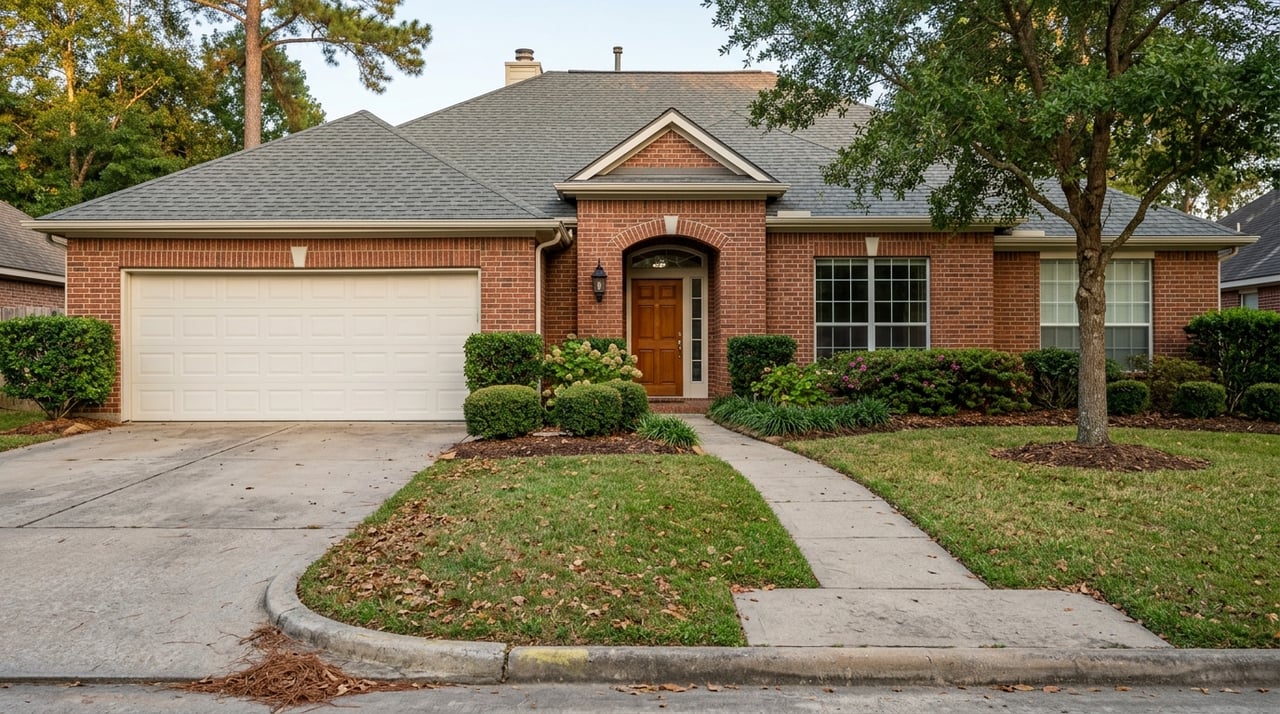
The City of Commerce Comprehensive Plan 2025 shows that 73.5% of housing units are detached single-family homes. It also notes an average household size of 2.82 persons, which suggests that 2- to 3-bedroom homes may appeal to the broadest pool of renters.
Rent levels also help frame the target property type. The city’s housing summary shows renter units concentrated mostly between $800 and $1,499 per month, and the newer Census estimate places Commerce’s median gross rent at $1,183. That is another reason many investors may find the best fit in well-located, functional single-family homes rather than more specialized inventory.
Why demand may stay steady
No market is guaranteed, but Commerce has several practical demand drivers that support the case for long-term rentals. Much of that story is tied to location, transportation access, and job growth in the surrounding area.
The city’s economic development information points to continued growth along the I-85 corridor, including major regional employers and investment tied to industrial and manufacturing activity. It also highlights downtown revitalization that is adding living space and activity in the area.
Jackson County’s 2024 financial reporting, as cited in the research, notes several major employers in the county, including Kubota, Ace Hardware, Mission Foods, TJX HomeGoods, DSC Logistics, Amazon, and Aldi. The county also reported job growth of 55% from 2017 to 2022, unemployment of 3.00% in April 2025, and 1,840 single-family permits issued in 2024.
Commerce also benefits from strong transportation and retail visibility. The county is served by I-85, U.S. 441, and rail infrastructure, while Tanger’s Commerce outlet center sits off I-85 Exit 149 and remains a major shopping destination in the area. Together, those factors help explain why Commerce can make sense for investors focused on durable, middle-market rental demand.
What investors should watch closely
A promising market still requires discipline. In Commerce, one of the biggest underwriting issues is the age of the housing stock.
The city’s comprehensive plan shows a median year built of 1983, with 11.0% of units built before 1940. It also notes that 19.2% of units were built in 2000-2009, while countywide data in the research report shows that 20.2% of housing still predates 1980.
For you, that means repair costs should never be an afterthought. Older homes can come with higher exposure to roof replacement, HVAC issues, plumbing updates, electrical work, and exterior maintenance. A property that looks attractive on price alone may not perform well if deferred maintenance is hiding in the numbers.
Underwrite conservatively in Commerce
If you are screening deals in Commerce, conservative assumptions matter. This is especially true because demand is growing, but new supply is being added too.
Jackson County issued 1,840 single-family permits in 2024, according to the research report. That is a sign of growth, but it is also a reason to avoid overly aggressive rent-growth assumptions when you run your numbers.
A smart underwriting approach in Commerce may include:
- Using rent comps close to the current median rent band
- Building in healthy repair and capital expenditure reserves
- Stress-testing vacancy and turnover costs
- Avoiding thin-margin deals that depend on perfect execution
- Planning for a longer holding period instead of a quick exit
Based on the housing-age and infrastructure profile in the research, Commerce appears better suited to a long-term hold strategy than a thin-margin flip. That is not a prediction of returns, but it is a practical takeaway from the local data.
City versus county matters
One of the easiest mistakes investors can make here is treating all Commerce-area properties the same. They are not.
The research report notes that water and sewer service outside municipalities may be handled by a separate authority, and fire protection can be partly volunteer-based in some county areas. That means a home inside Commerce city limits may differ meaningfully from a nearby property with a Commerce mailing address but county-level infrastructure considerations.
This is why city-versus-county diligence matters during acquisition. It can affect utilities, service levels, permitting, maintenance expectations, and even how you compare one property to another for value.
Check permits before you close
If you are considering an older home or a value-add opportunity, permit history should be part of your review. Skipping that step can create unnecessary risk.
The city states that construction, additions, and certain remodels require permits and inspections through its building permits and inspections department. Before closing, it is wise to confirm what work was done, whether it was permitted when required, and whether the current condition matches the seller’s disclosures and your inspection findings.
For investors, this is especially important when a property has a converted garage, an added bedroom, newer systems, or recent renovations. Permit verification can help you avoid surprises after closing and sharpen your renovation budget before you buy.
A simple Commerce rental checklist
If you are comparing Commerce to other North Georgia markets, keep your screening process straightforward and data-driven. A simple checklist can help you stay focused on what matters.
Look closely at these items:
- Property type: Detached 2- to 3-bedroom homes may fit the broadest renter demand
- Age and condition: Budget carefully for systems, structure, and exterior upkeep
- Rent range: Compare realistic rents near the local median band
- Location context: Separate true city properties from county-area properties nearby
- Utilities and services: Verify water, sewer, and local service considerations
- Permit history: Confirm prior renovations and additions were handled properly
- Hold strategy: Make sure the deal works as a longer-term rental, not just on paper today
This kind of discipline can help you sort attractive opportunities from expensive problems.
Is Commerce a good fit for your goals?
Commerce may appeal most if you want a practical rental market with single-family demand, access to major job corridors, and a growing county around it. It is not a market where you should count on flashy appreciation stories or ignore maintenance realities.
Instead, the opportunity seems strongest for investors who buy carefully, plan for repairs, and focus on long-term performance. When the purchase price leaves room for maintenance, management, and a realistic lease-up horizon, Commerce can be a sensible place to look.
If you want help evaluating rental-home opportunities in Commerce or comparing them to other North Georgia markets, Steven Adams can help you review property fit, local context, and the details that matter before you move forward.
FAQs
Is Commerce, GA a good place to invest in rental homes?
- Commerce may be a good fit if you want a workforce-rental market with single-family housing demand, regional job access, and a long-term hold strategy supported by careful underwriting.
What type of rental home works best in Commerce, GA?
- Based on the city’s housing mix and household size data, 2- to 3-bedroom detached homes are likely the broadest-fit rental product in Commerce.
What is the median rent in Commerce, GA?
- The research report cites a newer Census estimate showing a median gross rent of $1,183 in Commerce.
Are older homes in Commerce, GA riskier for investors?
- Older homes can require more conservative repair budgeting because the city has a median housing year built of 1983 and a meaningful share of homes built before 1980 and even before 1940.
Why does city versus county location matter near Commerce, GA?
- Properties inside Commerce city limits may differ from nearby county properties in utilities, service levels, permitting considerations, and other infrastructure details, so location context matters during due diligence.