Trying to decide when to put your Buford home on the market? Timing can feel confusing when you want maximum attention, strong offers, and a smooth closing. In this guide, you will learn the best months to sell in Buford, how to plan your prep month by month, what timeline to expect from list to close, and smart pricing and staging moves that work in Gwinnett County. Let’s dive in.
Why timing matters in Buford
Buford sits within the Atlanta metro, so buyer activity here tends to follow broader regional patterns with local twists. Many buyers plan around the school calendar, which often drives the busiest months. Commuters weigh access to I-85 and I-985, so weekday showing times and open-house schedules can influence your results.
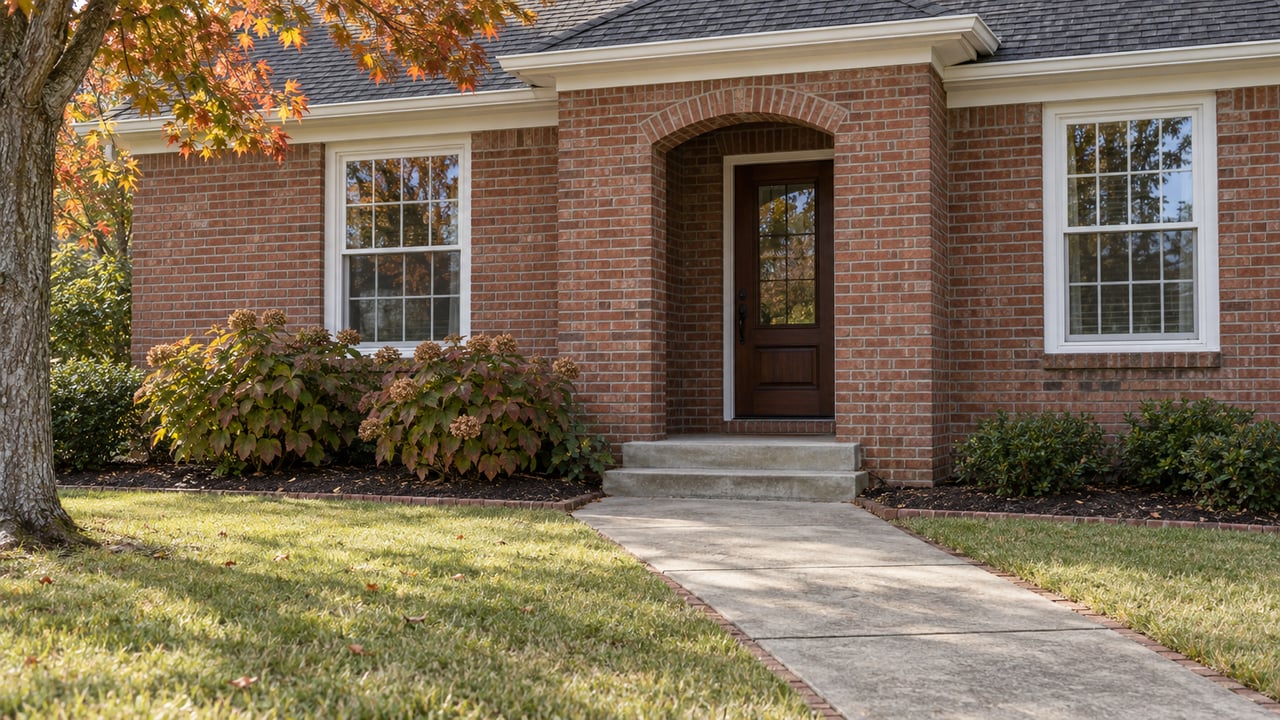
You also benefit from seasonal curb appeal. Spring blooms and summer landscaping make homes feel welcoming, which can boost showings. Lifestyle buyers who value proximity to Lake Lanier and area retail often shop year-round, but they are most active in spring and summer.
Local logistics play a role too. If your home is in an HOA, it can take days to weeks to gather resale documents. If you completed permitted work, you should organize paperwork early. These items can impact your timeline, so it is smart to plan ahead.
Best time to sell in Buford
Buford’s strongest listing window typically aligns with the spring market and early summer. That is when more buyers are in motion and when curb appeal shines.
- The optimal listing window for most sellers is mid-March through early June.
- Useful secondary windows include late January to February for early spring momentum and late July to early August for buyers aiming to move before school starts.
- Homes can sell any month when they are well priced and well presented. Off-peak months require sharper pricing and targeted marketing.
Month-by-month plan for sellers
Use this month-by-month game plan to prepare with less stress and to meet buyers when they are most active.
January
- Market pulse: Showings pick up after the holidays, and buyers who are out looking are often serious.
- What to do: Declutter, line up contractor quotes, and schedule any major repairs. Consider a pre-listing inspection so you can fix issues early. Meet with an agent for a pricing and prep strategy.
- Expectation: Fewer casual showings, more motivated shoppers.
February
- Market pulse: Early spring activity builds and new listings begin to appear.
- What to do: Wrap up major repairs, deep clean, and plan staging. Start on landscaping plans so curb appeal pops in March.
- Expectation: Early-bird buyers are active and ready to write when the right home appears.
March
- Market pulse: Spring market kicks off and showings rise.
- What to do: Finish staging and book professional photography. Consider listing mid to late March to catch strong buyer demand.
- Expectation: More traffic and faster offers when pricing is competitive.
April
- Market pulse: Often one of the busiest months for buyers. Curb appeal is at its best.
- What to do: Launch or continue marketing, host open houses, and be ready for high showing volume.
- Expectation: Strong demand and shorter days on market for well-priced homes.
May
- Market pulse: Peak for families planning summer moves.
- What to do: Lean into full marketing exposure and manage inspections and appraisal timelines efficiently.
- Expectation: Robust offers and quick closings for move-in-ready listings.
June
- Market pulse: Still prime for school-year movers.
- What to do: Keep show readiness high and coordinate closing windows to align with summer schedules.
- Expectation: Active market that remains favorable to sellers.
July
- Market pulse: Steady, with some mid-summer slowing for vacations.
- What to do: Highlight flexible possession and quick close options.
- Expectation: Good activity with slightly fewer showings than early summer.
August
- Market pulse: Early August can be brisk, then activity often cools as school begins.
- What to do: Target buyers who need immediate occupancy and be mindful of price sensitivity.
- Expectation: Short bursts of demand before a slower late month.
September
- Market pulse: Autumn slowdown starts and buyers become more selective.
- What to do: Refresh photos, update marketing, and consider modest price adjustments if needed.
- Expectation: Fewer showings with more negotiation on terms.
October
- Market pulse: Activity eases as cooler weather arrives and holidays approach.
- What to do: Emphasize warm, well-lit interiors and energy efficiency if applicable.
- Expectation: Longer days on market and more targeted buyer interest.
November
- Market pulse: Typically very slow heading into the holidays.
- What to do: Focus showings on qualified buyers and evaluate strategic price moves if you want to close before year-end.
- Expectation: Serious buyers only, with longer marketing times.
December
- Market pulse: Historically the slowest month. Some buyers are motivated by year-end timelines.
- What to do: If listing, use tasteful seasonal staging and offer flexibility on closing. Or prepare for a strong January launch.
- Expectation: Limited showings unless pricing is attractive for urgent buyers.
How long selling takes in Gwinnett
Your timeline depends on season, price point, and preparation. Here is what most sellers can expect in the area.
- Pre-listing prep: Plan on 2 to 12 weeks, depending on whether you need touch-ups or bigger repairs.
- Time on market: Varies by season. In peak months, well-priced homes can go under contract quickly. Off-peak months often take longer.
- Contract to close: Commonly 30 to 60 days. Financing steps, appraisal schedules, and title work shape this window.
Local steps that impact timing:
- HOA documents: If your property has an HOA, request the resale certificate and documents early. This can take a few days to a few weeks.
- Permits and disclosures: Keep records for permitted work so buyers and appraisers have confidence in the improvements.
- Financing and appraisal: Encourage buyers to have preapproval. Underwriting and appraisal workflows can stretch timelines during busy seasons.
- Title and closing: Title companies process searches and coordinate documents. Plan ahead for holiday closures that can add extra days.
Tip: If you want possession to line up with the school calendar, you should list 8 to 12 weeks before your ideal move date. That allows for marketing, negotiation, and a standard escrow period.
Pricing strategy by season
Your pricing plan should reflect buyer traffic and competing inventory.
- Peak spring and early summer: Use data-driven pricing that aligns with recent comparable sales. Aim for strong first-week exposure with pricing that maximizes showings and encourages multiple offers.
- Late summer, fall, and winter: The buyer pool is smaller, so condition and presentation carry more weight. Use realistic pricing and consider incentives like flexible closing or credits to offset slower traffic.
- Price reviews: Set planned checkpoints at about 14 to 21 days after listing. Use showing feedback and comparable activity to decide if an adjustment is needed.
Staging and curb appeal that work in Gwinnett
Small updates can deliver a big return on attention and perceived value.
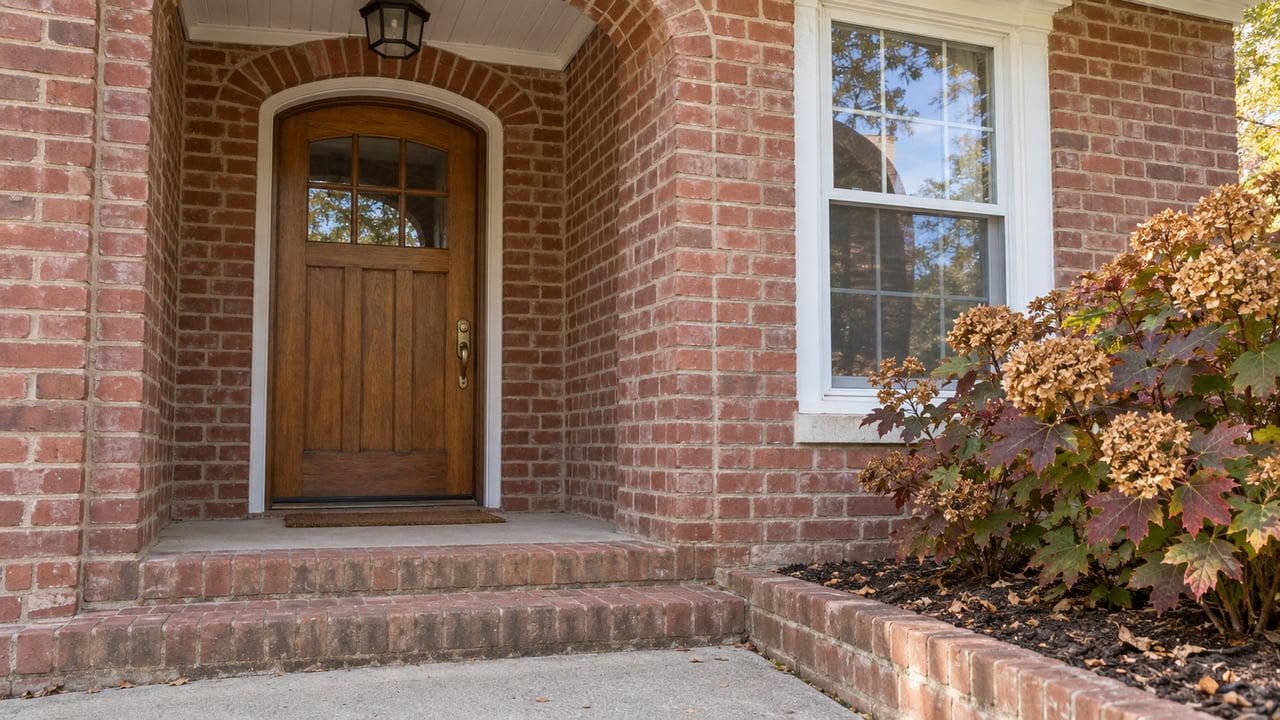
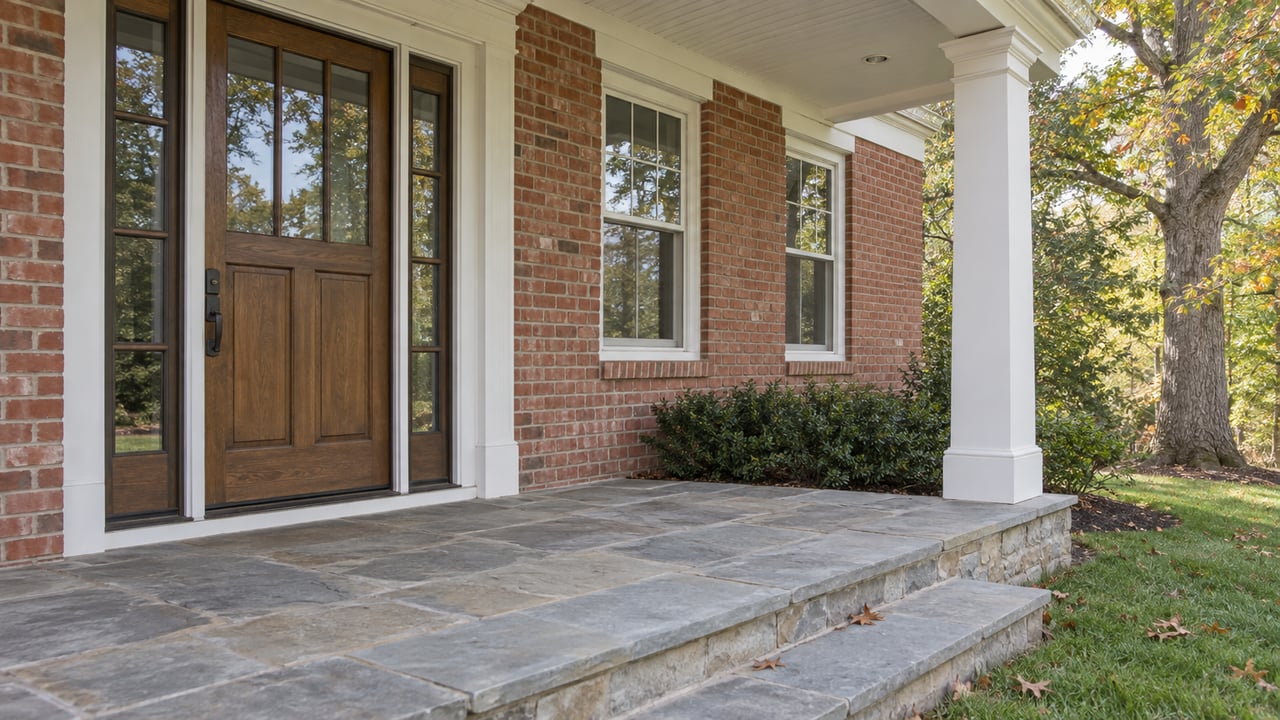
- Exterior: Mow and edge the lawn, refresh mulch, trim shrubs, and power-wash walkways. Clean windows so natural light shines inside.
- Interior: Declutter and depersonalize. Use a light, neutral paint color in high-traffic areas. Update dated light fixtures and cabinet hardware if needed.
- Photography and digital: Invest in professional photos. Consider twilight exterior shots if your lighting is attractive. A clear listing description that highlights nearby amenities and commuter access is key.
- Virtual tour and floor plan: Many buyers expect them and they help qualify showings.
Sample timeline to hit spring peak
Planning to list in mid-March to capture spring demand? Try this schedule.
- 12+ weeks out: Optional pre-listing inspection. Get repair quotes and start any permitted work.
- 8 weeks out: Complete major repairs. Deep clean and declutter.
- 4 to 6 weeks out: Staging and landscaping refresh. Finalize a pricing strategy with your agent.
- 1 to 2 weeks out: Professional photography, virtual tour, and pre-list marketing to buyer agents.
- Listing week: Launch midweek to maximize weekend showings. Host an open house and monitor feedback closely.
- Contract to close: Plan for 30 to 60 days, and negotiate a closing date that aligns with your move.
Off-peak listing plan
If you need to sell in October or December, you can still succeed with the right setup.
- Preparation: Follow the same repair and staging steps, but lean into interior warmth and lighting.
- Marketing focus: Use high-quality photos, virtual tours, and precise targeting to the most likely buyer segments.
- Pricing: Lead with value and be ready for a longer marketing window. Flexibility on timing and concessions can help secure the right buyer.
Practical timing tips for Buford sellers
- Start HOA and title paperwork when you decide to sell.
- Organize permit records and receipts for completed work.
- Align list date with your ideal possession target. If you want to move before school starts, list 8 to 12 weeks before that date.
- Consider listing on Wednesday or Thursday to capture weekend showings.
- Keep your home show-ready for the first two weeks when buyer attention is highest.
Ready to sell with confidence
When you align your list date with Buford’s seasonal demand and follow a clear prep plan, you give yourself the best chance at strong offers and a smooth closing. If you want a customized timeline, pricing strategy, and premium presentation tailored to your home and neighborhood, let’s talk. Schedule a free consultation with Steven Adams to plan your best next step.
FAQs
What is the best month to list a home in Buford?
- For most sellers, mid-March through early June offers the strongest buyer activity and best odds of faster, stronger offers.
How long does it take to close a home sale in Gwinnett?
- After you accept an offer, most closings take 30 to 60 days, depending on financing, appraisal timing, and title work.
How does the school calendar affect selling in Buford?
- Many buyers plan moves around the school year, which pushes demand higher in late spring and early summer.
Should I get a pre-listing inspection before selling?
- It is a smart way to fix issues early and reduce renegotiations, which can save time once you are under contract.
What pricing strategy works in off-peak months?
- Lead with realistic pricing, strong presentation, and possible incentives like flexible closing or credits to attract a smaller buyer pool.
How early should I start HOA and permit paperwork for a Buford home sale?
- Start as soon as you decide to sell, since HOA packets and documentation for permitted work can take days to weeks to obtain.