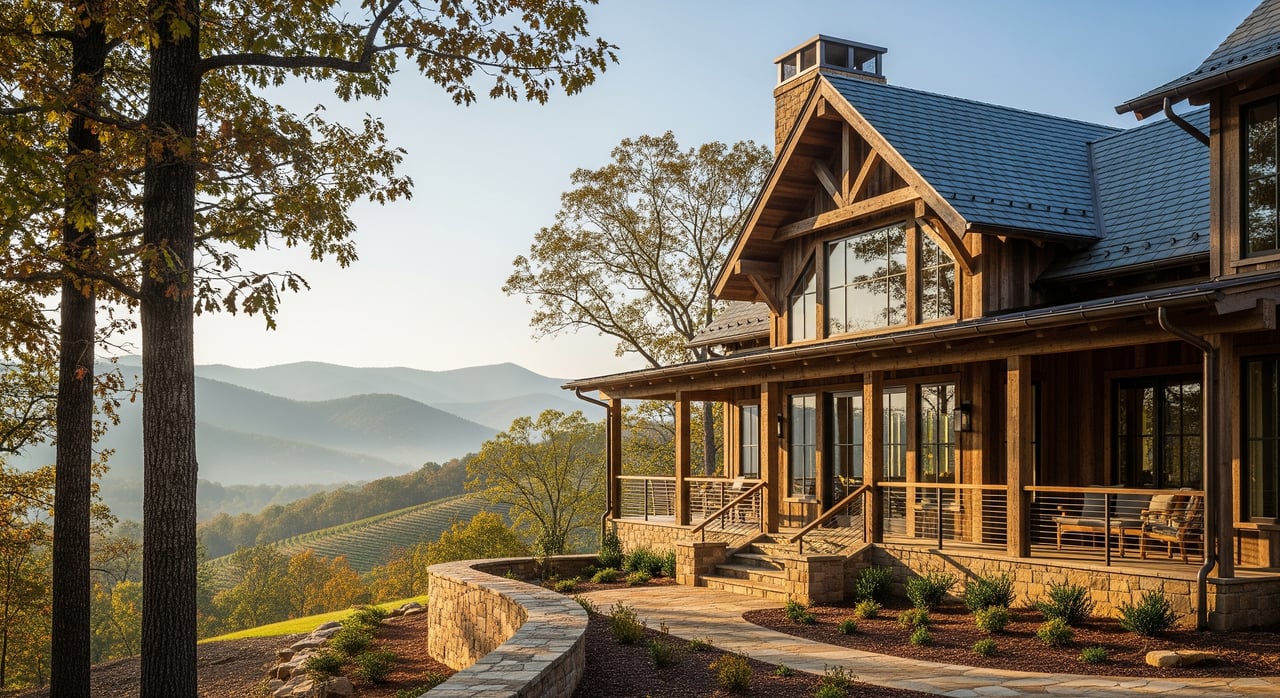
Thinking about buying a mountain cabin in Dahlonega? You are not alone. North Georgia’s wine country, outdoor adventures, and a steady stream of university and event visitors make Lumpkin County a compelling market for lifestyle use and income potential. In this guide, you will learn what drives demand, which properties perform well, how to plan your costs, and what to check before you buy. Let’s dive in.
Why Dahlonega demand is strong
Dahlonega sits in the Blue Ridge foothills and serves several visitor groups all year. Wineries and tasting rooms bring steady weekend traffic and multi-night stays. Outdoor recreation draws hikers, bikers, fall foliage seekers, waterfall chasers, and lake enthusiasts.
The University of North Georgia (UNG) adds reliable spikes during parents’ weekends, ceremonies, alumni gatherings, and sports events. Wedding venues and retreats across vineyards and mountain settings also increase nearby lodging needs. Finally, you are within an easy drive of metro Atlanta, which fuels the short-trip, weekend market.
Wineries and agritourism
Local vineyards, tasting rooms, and wine events are signature draws. They create consistent weekend demand that pairs well with cabins offering scenic views and easy access to wine country.
Outdoor recreation
The surrounding forest land and nearby parks set the stage for hiking, mountain biking, and fall color trips. Families and adventure travelers look for cozy, well-equipped cabins with straightforward access and reliable parking.
UNG and event-driven stays
UNG generates predictable booking surges tied to the campus calendar. Parents’ weekends, ceremonies, and alumni events support occupancy even in cooler months. Weddings and retreats at local venues add group stays and multi-vehicle parking needs.
Weekend market from Atlanta
Dahlonega is close enough for last-minute escapes from metro areas. Good road access, scenic routes, and a peaceful setting make two- to three-night stays common.
Property types to consider
You will find a range of cabin styles and settings around Dahlonega. Your choice should match your goals for lifestyle use and potential short-term rental.
- Rustic log cabins on acreage: Authentic feel and privacy, often on well and septic. Expect more land maintenance.
- Modern mountain cottages: Updated finishes can command higher nightly rates and easier turnover.
- Cabins in planned communities: HOAs may offer road maintenance and amenities, and may also set rental rules.
- Vacant land for custom builds: More control over design, but longer timelines and carrying costs.
- Hybrid use second homes: Use it personally and host selectively when you are not in residence.
Location features that add value
Certain features directly influence demand, ease of ownership, and resale value. Prioritize the items that fit your strategy.
- Proximity to town, wineries, and UNG: Close-in locations tend to earn more consistent bookings and better resale.
- Views and privacy: Elevated lots and long-range views can justify premium pricing.
- Driveability year-round: Gentle driveways and county-maintained access reduce guest friction and winter risk.
- Utilities and infrastructure: Municipal water and sewer can simplify lending and insurance. Well and septic require inspection and ongoing care.
- Broadband and cell service: Fast, reliable internet is essential for remote work stays and higher average daily rates.
- Parking and multi-vehicle access: Important for wedding groups and families traveling together.
- Fire protection access: Proximity to fire services can influence insurance and guest confidence.
How UNG’s calendar helps occupancy
UNG events create repeatable booking patterns you can plan around. Consider flexible minimum stays during parents’ weekends or ceremonies, and set midweek pricing for campus-related visits. A clear calendar strategy can help stabilize off-peak months.
Holding costs to budget
Mountain cabins come with carrying costs beyond a typical suburban home. Build a conservative budget before you buy.
- Property taxes: Verify assessments and millage rates with Lumpkin County. Values can change with reassessments.
- Insurance: Compare homeowners, dwelling fire, and STR policies. Mountain settings, wildfire exposure, and tree fall risk can affect premiums.
- Utilities: Electricity and propane for heating, well maintenance and pump service, septic inspections and pumping, and trash.
- Maintenance and repairs: Roofs, decks, HVAC, septic systems, landscaping, and driveway upkeep are common line items.
- HOA/POA fees: If applicable, include road maintenance and amenity costs.
- STR operations: Management or co-hosting fees, turnover cleanings, linens, guest communications, and platform fees.
- Marketing and media: Professional photos and listing setup can impact performance.
- Vacancy and reserves: Set aside capital reserves for appliances and periodic updates, plus off-season slowdowns.
- Local lodging and sales taxes: Confirm transient occupancy tax and sales tax obligations with local and state authorities.
Financing options to compare
Financing terms depend on how you will use the property. Rates, down payments, and underwriting vary by loan type.
- Primary residence vs. second home vs. investment: Second homes and investment properties often require larger down payments and different rates.
- Construction vs. existing: Construction loans add timeline and budget risk. Factor carrying costs until completion.
- Local portfolio lenders: Regional banks familiar with rural and mountain properties may offer flexible products.
- Sensitivity to rates: Model your cash flow at several interest rate scenarios before committing.
Short-term rental rules to confirm
Short-term rental regulations can differ between Lumpkin County and the City of Dahlonega. Before you buy, verify zoning, registration or licensing steps, safety standards, and any caps or location limits. Confirm transient occupancy and sales tax collection, as well as business licensing requirements.
If the home is in an HOA or subject to covenants, review them for rental restrictions, guest limits, and parking rules.
Seasonality and pricing strategy
Dahlonega’s calendar is seasonal, and your pricing should be too. Plan for peaks and slow periods.
- Peak seasons: Fall foliage, late spring and early summer, and holiday weekends. Expect higher average daily rates and strong occupancy.
- Off-peak: Colder winter months, except for holidays and event weekends. UNG events can steady demand.
- Pricing moves: Raise rates for major wine events and foliage weeks, and consider longer minimums around holidays.
- Operations: Prepare for winterization tasks, pipe freeze protection, and off-season maintenance.
Physical risks and what to check
Mountain and rural settings come with real but manageable risks. Add these checks to your due diligence.
- Wildfire and vegetation: Discuss defensible space and insurance implications with a qualified carrier.
- Flood and erosion: Review FEMA flood maps and consider slope stability and drainage, even outside designated zones.
- Septic and well: Order a professional septic inspection and well water test. Confirm permits and recent service.
- Road and driveway: Look for erosion, steep grades, and private easements. Verify road maintenance and winter access.
- Utilities outages: Plan for occasional outages. If you intend to host, consider a generator strategy and clear guest communication.
- Trees and wildlife: Budget for tree work and routine exterior maintenance.
Pro forma tips and returns
Model your numbers conservatively and stress test your assumptions. Lifestyle properties often trade at lower cap rates, so weigh personal use alongside income.
- Revenue: Estimate seasonally adjusted gross revenue. Validate with local property managers and STR analytics, then discount for conservatism.
- Expenses: Include management, cleaning, utilities, maintenance, HOA, insurance, taxes, and platform fees.
- NOI and cash flow: Net operating income minus debt service shows your expected cash position.
- Cap rate and comparisons: Use cap rate for a quick benchmark, but consider lifestyle value and appreciation potential.
- Break-even: Calculate occupancy needed at your target nightly rate to cover mortgage plus operating costs.
- After-tax view: Ask a tax professional about deductions and depreciation.
What to verify before you write an offer
A focused checklist can save you time and prevent surprises.
- Confirm utility types, inspection records, and age of major systems.
- Check internet providers and actual speeds at the address.
- Review road maintenance agreements and any private easements.
- Assess parking capacity and guest access. Note any steps or grade changes.
- Request prior booking history if the home has been hosted before.
- Obtain insurance quotes for homeowner and STR or commercial coverage scenarios.
- Call local planning or permitting offices about STR permissions and taxes.
First steps to invest with confidence
Pull recent MLS comps for your target property types and locations.
Contact Lumpkin County and the City of Dahlonega to confirm current STR rules and transient occupancy taxes.
Request a line-item expense estimate from local property managers.
Order septic, well, and structural inspections early in diligence.
Run conservative pro formas with sensitivity to occupancy, rates, and interest costs.
Verify broadband and cell coverage at the exact address.
Work with a local guide
You deserve a partner who understands North Georgia lifestyle properties, from driveway grades and well systems to event-driven demand. If you want to compare options near wineries, closer to town, or on private acreage, a local advisor can help you match your goals to the right cabin and run the numbers with clarity.
Ready to talk strategy, review comps, or build a pro forma for a Dahlonega cabin? Schedule a free consultation with Steven Adams to map your next steps.
FAQs
What drives Dahlonega cabin demand for investors?
- A mix of wine tourism, outdoor recreation, university events, and weekend travel from metro Atlanta supports year-round interest with strong seasonal peaks.
Are short-term rentals legal in Dahlonega and Lumpkin County?
- Rules vary by jurisdiction. Confirm zoning, licensing or registration, safety standards, guest limits, and tax collection with Lumpkin County and the City of Dahlonega before you buy.
How should I budget annual costs for a Dahlonega cabin?
- Include property taxes, insurance, utilities, septic and well service, maintenance, HOA fees if applicable, STR management and cleaning, marketing, platform fees, and lodging and sales taxes.
Which cabin locations get the best bookings?
- Homes close to town, wineries, and UNG tend to see steadier occupancy. Strong views, easy year-round access, reliable internet, and ample parking also boost performance.
How does UNG affect seasonal occupancy?
- The university calendar adds predictable spikes for parents’ weekends, ceremonies, and events, which helps stabilize bookings in off-peak months.
What inspections are essential for mountain cabins in Lumpkin County?
- Order septic and well evaluations, roof and structural inspections, and review flood maps, driveway conditions, and fire protection access. Confirm any HOA rules on rentals.
What financing should I consider for a second home vs. investment?
- Second homes and investment loans often require higher down payments and different rates. Compare options from local portfolio lenders and model cash flow across rate scenarios.