Thinking about a move to Cornelia, GA? If you want a place with lower housing costs than many parts of Georgia, a true small-town feel, and easy access to North Georgia’s outdoor spaces, Cornelia may be worth a closer look. The key is knowing what daily life actually feels like, what kinds of homes you’re likely to find, and where this city fits in the broader North Georgia market. Let’s dive in.
Why Cornelia Gets Attention
Cornelia is a small city in Habersham County that traces its roots to 1887. City materials describe it as a historic industrial and retail hub, and its location at the crossroads of US-441 and GA-365 helps explain why it still serves as a regional stop for shopping, services, and daily errands.
It is also growing. According to the latest Census QuickFacts estimate in the research provided, Cornelia had 5,371 residents in 2024, up from 4,503 in 2020. That kind of growth can appeal to buyers who want a smaller community that still shows signs of momentum.
Cornelia Housing Costs
One of the biggest reasons buyers look at Cornelia is affordability relative to the rest of Georgia. Census QuickFacts in the research report shows a median owner-occupied home value of $231,900 in Cornelia, compared with a statewide median of $303,300.
Rental costs also come in lower than the state benchmark. The city’s median gross rent is listed at $942, compared with $1,393 statewide. For many buyers and renters, that makes Cornelia an appealing option if you are trying to stretch your housing budget further.
That said, lower prices do not automatically mean housing feels easy to afford. The same QuickFacts data shows Cornelia’s median household income at $39,775, so it is smart to look at your full monthly budget, not just the list price of a home.
What Homes You’ll Likely Find
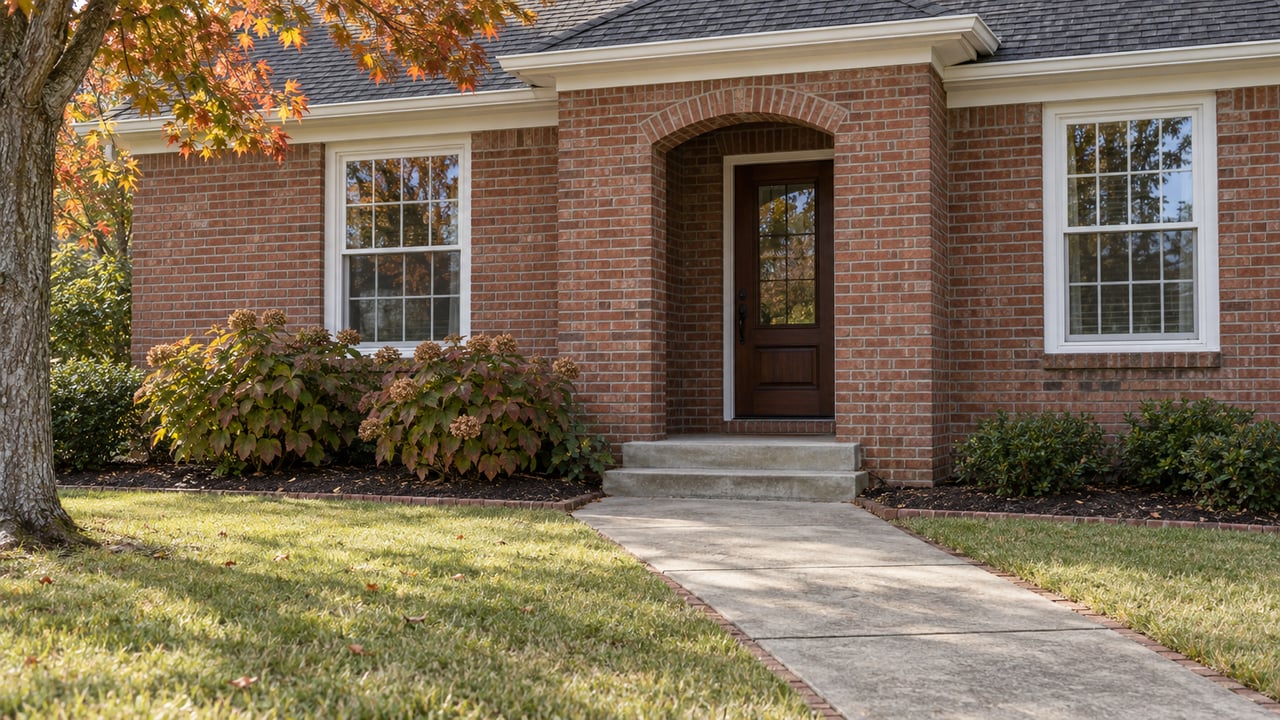
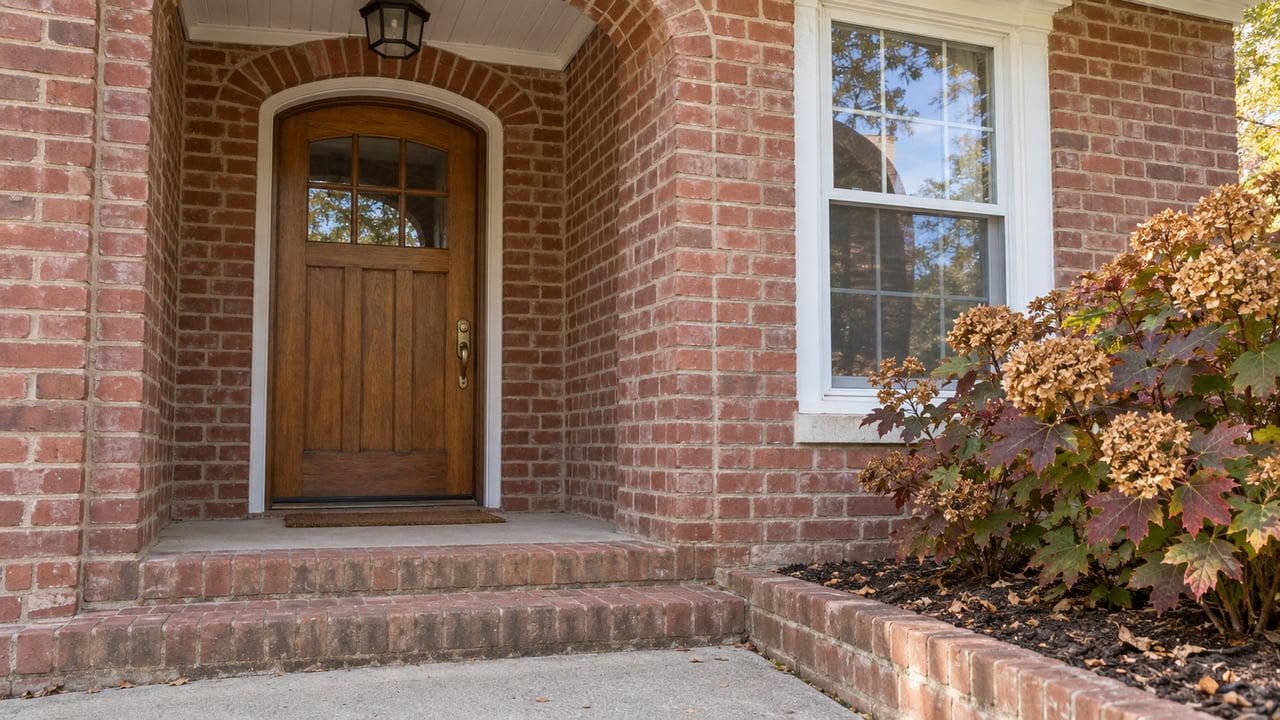
Cornelia’s housing pattern leans more established than brand-new. The city’s 2023 comprehensive plan describes stable neighborhoods that are mostly residential, historic areas that remain primarily residential, and older revitalization areas where many single-family homes have shifted into rentals over time.
That matters if you are trying to picture the local inventory. In Cornelia, you are more likely to find housing woven into an older neighborhood fabric than a market dominated by large new subdivisions.
The plan gives more detail on that mix. Stable neighborhoods are noted as 65% residential and more than 90% zoned residential, while historic areas are 72% residential. Downtown, by contrast, is largely commercial with a smaller share of residential uses.
Downtown Living and Character
If you like towns with visible history and an active civic core, Cornelia has some appeal. Local and tourism materials highlight downtown shopping and dining, the Big Red Apple monument, and Chenocetah Tower as recognizable parts of the city’s identity.
At the same time, Cornelia’s downtown is still evolving. The Downtown Development Authority describes downtown as a center of activity and economic development, and the research report notes that it is part of a Main Street America accredited program.
But this is not a fully polished downtown district where every storefront is filled. The city’s comprehensive plan says downtown still contains a significant number of vacant buildings. For some buyers, that signals room for continued investment and change. For others, it is simply a reminder that Cornelia offers real small-town character, not a fully built-out urban environment.
Daily Life in Cornelia
Daily convenience is a practical part of any move, and Cornelia offers a mix of local charm and standard errands. The research report points to commercial activity along Historic 441 and GA-365, including larger-format retail such as Walmart, Planet Fitness, TJ Maxx, and Lowe’s.
That setup can work well if you want basic shopping and services nearby without living in a larger metro area. You get the feel of a smaller city while still having access to many routine needs close to home.
Cornelia also appears to have an active community calendar. The research provided mentions recurring events such as the Big Red Apple Festival and Christmas in the Park, and the city’s planning documents say it aims to preserve a family-friendly atmosphere and continue hosting events with regional draw.
Parks and Recreation
For many movers, Cornelia’s lifestyle advantage is not nightlife or dense urban amenities. It is access to parks, trails, and outdoor recreation.
City and tourism materials in the research report say Cornelia has eight parks. These include features such as a skate park, splash pad at the Depot, walking trail, and dog park. Cornelia City Park is identified as a park of more than 20 acres with a trail and pavilion.
That local park system adds to the city’s everyday livability. If you value places to walk, spend time outside, or enjoy community spaces close to home, Cornelia offers more than just a place to sleep between commutes.
Lake and Mountain Access
Outdoor access is one of Cornelia’s strongest selling points. The USDA Forest Service materials in the research report identify Cornelia as the closest town to Lake Russell.
Lake Russell’s recreation areas offer fishing, boating, kayaking, paddle boarding, hiking, swimming, picnic areas, and year-round access. That makes Cornelia a compelling option if you want your home base to include straightforward access to North Georgia’s lake-and-forest lifestyle.
In practical terms, Cornelia can suit buyers who want town services during the week and easy weekend recreation nearby. It is less of a suburban amenity hub and more of a small-town base for enjoying the outdoors.
Who Cornelia May Fit Best
Cornelia may be a strong fit if you are looking for:
- Lower housing costs than many Georgia markets
- Established single-family neighborhoods
- A small-town setting with a real downtown core
- Nearby parks and outdoor recreation
- Access to regional roads that connect you to other Northeast Georgia destinations
It may be a weaker fit if your top priorities include:
- A dense apartment market
- Large amounts of new construction inventory
- A more urban entertainment scene
- A highly built-out downtown with little vacancy or transition
These points reflect the overall picture in the research report. As with any move, the right fit depends on your budget, housing goals, commute needs, and preferred lifestyle.
What the Numbers Suggest
A few local data points help round out the picture. Census QuickFacts in the research report shows an owner-occupied housing rate of 56.4%, with 24.9% of residents under age 18 and 15.5% age 65 or older.
Those figures suggest a mix of households and life stages rather than a market centered on just one type of resident. The same source shows 86.7% of households have a broadband subscription, which is useful context if home internet access matters for remote work, school, or daily convenience.
How to Approach a Move to Cornelia
If Cornelia is on your shortlist, it helps to go beyond broad affordability headlines and focus on your real goals. A lower median home value can be attractive, but your decision should also consider monthly payment, property condition, neighborhood setting, and how close you want to be to parks, shopping, or downtown.
It also helps to think about the kind of North Georgia lifestyle you want. Cornelia offers a different experience than larger suburban markets. The draw here is established housing, small-town identity, practical daily conveniences, and access to the outdoors.
If that sounds like your pace, Cornelia may deserve a serious look. And if you want help comparing Cornelia with nearby North Georgia communities, Steven Adams can help you narrow down the areas and properties that best fit your move.
FAQs
What is the housing market like in Cornelia, GA?
- Cornelia’s housing stock appears to be mostly established residential neighborhoods, with lower median home values and rents than Georgia overall, according to the research report.
Is Cornelia, GA affordable compared with the rest of Georgia?
- Based on the research report, Cornelia has lower median home values and median gross rent than the statewide medians, though local median household income is also lower.
What is downtown Cornelia, GA like?
- Downtown Cornelia offers shopping, dining, local landmarks, and ongoing revitalization efforts, but the city’s comprehensive plan also notes a significant number of vacant buildings.
Are there parks and outdoor activities near Cornelia, GA?
- Yes. The research report says Cornelia has eight parks and is also the closest town to Lake Russell, where you can enjoy boating, fishing, hiking, swimming, and more.
Who should consider moving to Cornelia, GA?
- Cornelia may appeal to buyers who want a small-town North Georgia setting, lower housing costs, established neighborhoods, and convenient access to outdoor recreation.