If you picture mountain-town life as all cabins, quiet roads, and weekend views, Cleveland, Georgia, may surprise you. This is a place where a historic courthouse square, outdoor access, tourism, and everyday community life all meet in one small North Georgia setting. If you are thinking about buying, selling, or simply getting to know the area better, this guide will help you understand what daily life in Cleveland really feels like. Let’s dive in.
Cleveland Feels Small, But Not Sleepy
Cleveland is the county seat of White County and sits in the foothills of the Blue Ridge Mountains, about 80 miles north of Atlanta. The 2020 Census counted 3,514 residents in the city, while White County’s July 2025 population estimate reached 29,802. That growth helps explain why Cleveland often feels like a town in transition, with more attention on growth while still holding onto its historic identity.
The city openly frames itself as a mountain town that is growing while preserving its charm and cultural heritage. That balance shows up in both the physical setting and the pace of life. You get a slower rhythm than a larger metro suburb, but not a town that feels frozen in time.
Downtown Cleveland Sets the Tone
The courthouse square anchors daily life
A lot of Cleveland’s personality starts downtown. The courthouse square is the center of town, and the city describes it as a place with historic buildings, local shops, and restaurants. The historic courthouse itself was built between 1859 and 1862, which gives the area a sense of continuity that newer communities simply cannot recreate.
Planning and zoning also reinforce that downtown is meant to stay local in character. The central business district is designed to preserve the square’s historic feel while allowing small-scale retail, dining, hospitality, entertainment, offices, and some residential uses. In plain terms, downtown Cleveland is meant to feel like a real town center, not a generic commercial strip.
Preservation is part of the plan
Cleveland is not just talking about preserving its identity. City and county planning documents point to active efforts around streetscape improvements, wayfinding, historic preservation, downtown redevelopment, walkways, parks, and infrastructure. That matters if you are looking for a place where growth is being managed with the community’s character in mind.
For you as a buyer or seller, that can shape how the area feels over time. A town that invests in its core often creates a stronger sense of place, which can be part of what draws people to live there in the first place.
The Pace Is Relaxed and Community-Oriented
Cleveland’s mission and vision language emphasizes being vibrant, neighborly, and committed to small-town living. That lines up with the overall picture in the research: a slower, close-knit place with a strong local identity. You are more likely to notice civic pride, community spaces, and steady local activity than the nonstop pace you would expect in a larger city.
That does not mean nothing is happening. It means the energy is scaled differently. Life in Cleveland tends to revolve around local routines, outdoor access, downtown activity, and the seasonal rhythm created by tourism and mountain travel.
Outdoor Access Is Part of Everyday Life
Mount Yonah is right there
One of the clearest signs that Cleveland is a true mountain town is how close nature sits to daily life. The city notes that Mount Yonah Trailhead is about 0.3 mile north of downtown Cleveland. The trailhead is open year-round, has no fee, and gives access to the summit and wide mountain views.
That kind of proximity changes how a town feels. Outdoor recreation is not a special trip you plan once in a while. It becomes part of the local rhythm, whether that means a morning hike, a weekend outing, or simply living near mountain scenery every day.
Recreation goes beyond scenic views
Cleveland and the surrounding county offer more than mountain overlooks. Smithgall Woods State Park adds hiking, bicycling, trout streams, fishing access on a limited reservation schedule, and wildlife viewing. White County also has the Recreation Center at Yonah Preserve in Cleveland, with basketball, volleyball, pickleball, a community room, and an outdoor porch.
That mix is important because it shows the area supports everyday recreation, not just tourism-style outdoor experiences. If you live here full time, you are not depending only on weekend attractions. You also have practical community amenities that fit normal routines.
Tourism Is Real, But So Is Daily Life
One common question about Cleveland is whether it feels mostly like a tourist town. The more accurate answer is that it functions as both a residential county seat and a tourism hub. Outdoor destinations, nearby wineries and vineyards, and Babyland General Hospital all shape the local economy and bring visitors through the area.
For residents, that usually means you live in a place with more activity than its size might suggest. Weekends and travel seasons can feel busier, especially around mountain corridors and popular attractions. At the same time, Cleveland is still a working community where people live, commute, shop, gather, and build routines year-round.
What Homes in Cleveland Really Look Like
It is not just cabins
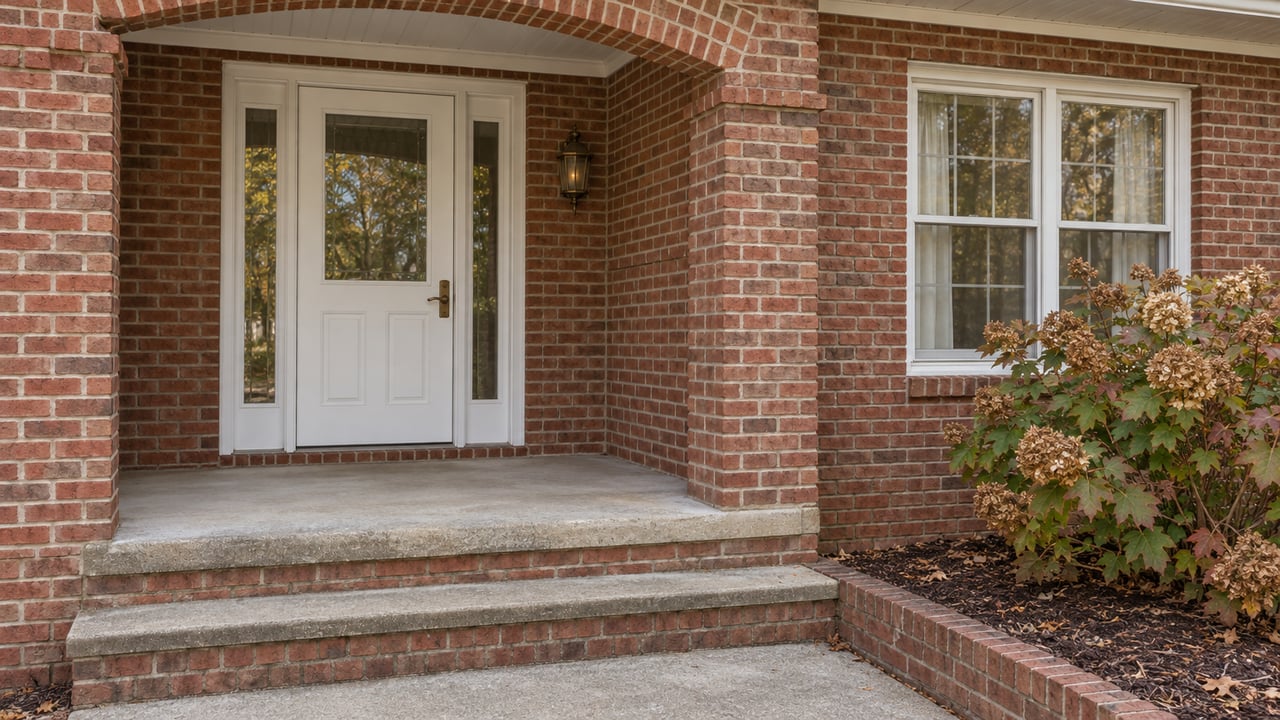
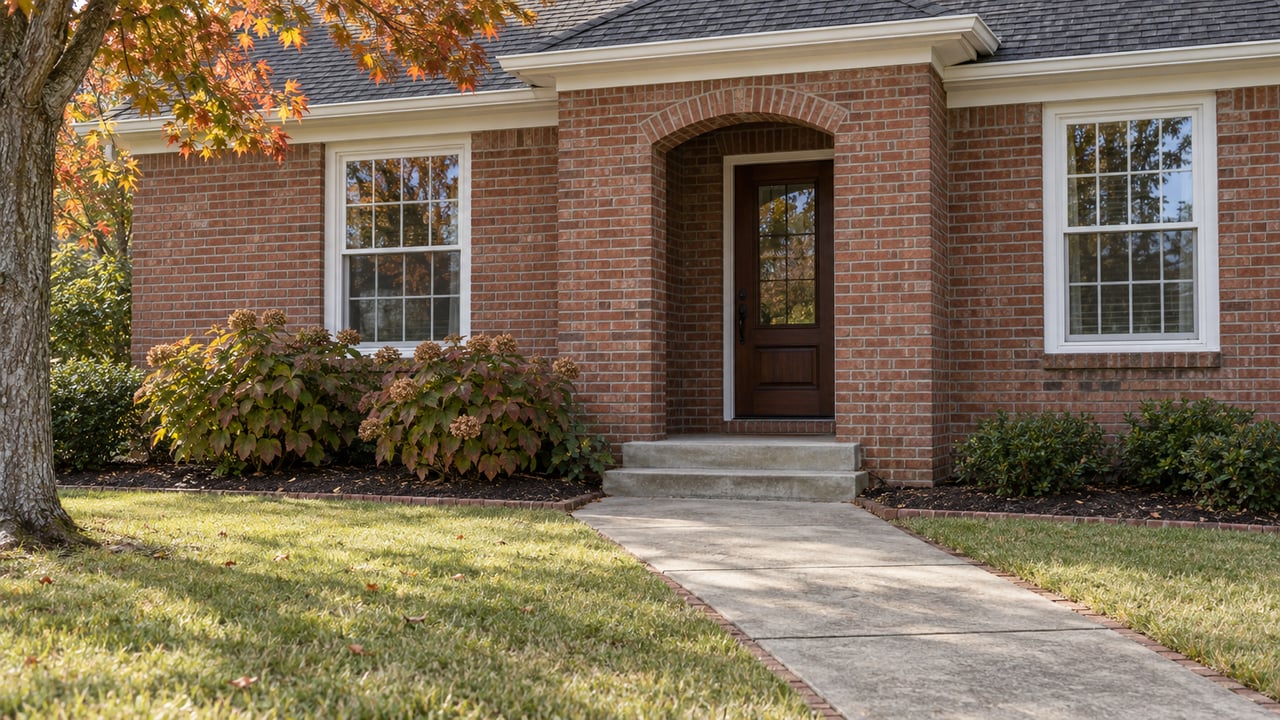
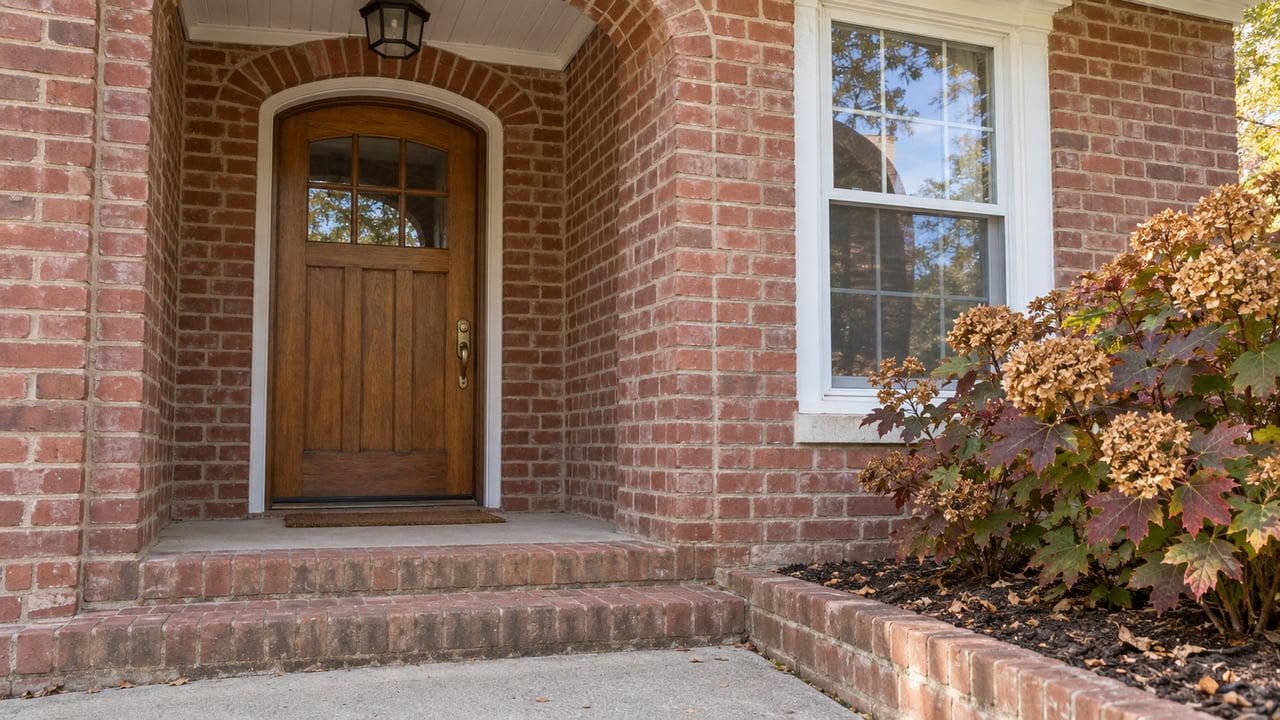
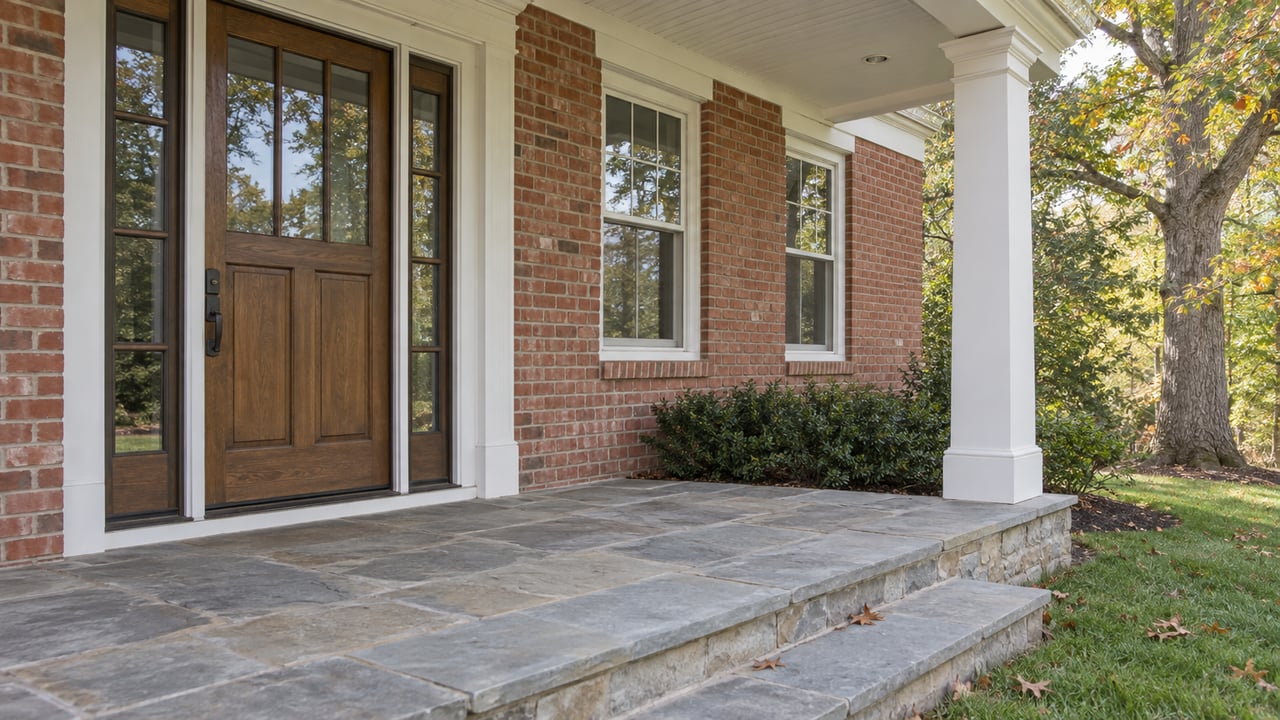
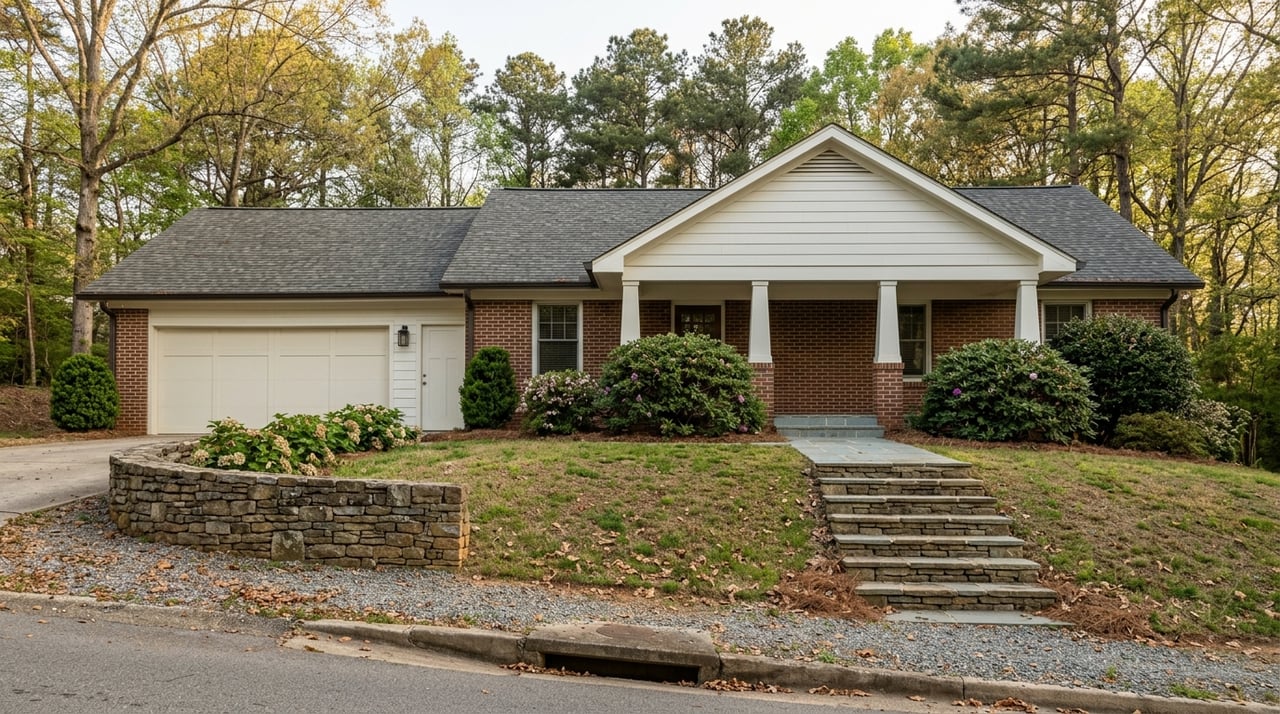
If you are imagining only rustic cabins in the woods, Cleveland has a broader housing mix than that. The city’s zoning allows for low-density single-family homes, planned community housing, townhouses, condominiums, patio homes, and mixed-use residential options near downtown. Even the downtown district allows apartments or condos above, below, or behind commercial buildings.
That flexibility helps explain why Cleveland appeals to different kinds of buyers. Some people want a more in-town feel near the square, while others want a lower-density setting with more space. Both options can exist in the same market.
Historic homes add character
Cleveland also has older in-town architecture that supports its historic identity. A good example is the John Stovall House, built in 1861, which the White County Historical Society highlights for its preservation and Greek Revival features. While not every older home will look like that, it reflects the fact that Cleveland has genuine historic residential character in parts of town.
If you are drawn to homes with a sense of place, that matters. Some North Georgia markets feel mostly newer or more spread out, while Cleveland offers at least some visible connection to its 19th-century roots.
Mountain-edge homes shape the landscape too
Outside the downtown core, the visual landscape shifts. The research supports the idea that cabin-style buildings and wooded mountain parcels are part of the area’s look, especially near the mountain edges. That means the Cleveland market can include a range of property types, from traditional in-town homes to more private mountain-oriented settings.
For buyers, this creates more lifestyle choice. For sellers, it means presentation matters because buyers are often comparing not just square footage, but setting, feel, and how a home fits the North Georgia lifestyle they want.
Is Cleveland Walkable?
The honest answer is partly. Downtown is compact, courthouse-square oriented, and set up in a way that supports a small-core, local-business feel. If you are near the center, you may enjoy easier access to shops, restaurants, and civic spaces.
Still, many everyday trips will likely require a car. That conclusion fits the town’s small size, surrounding geography, and countywide layout. Cleveland offers a more walkable downtown than many rural areas, but it is not a car-free kind of town.
What Daily Logistics Look Like
White County’s census profile gives a few practical clues about everyday life. The county reports 96.1% of households with a computer and 89.4% with broadband internet, which suggests the area can support work-from-home households. At the same time, the mean commute to work is 30.4 minutes, which shows many residents still spend meaningful time driving to work.
Housing metrics also help frame the market. White County reports a 78.8% owner-occupied housing rate, a median owner-occupied home value of $278,900, and a median gross rent of $1,032. Those numbers reinforce the picture of a community with a strong ownership base and moderate housing costs by current North Georgia standards.
Who Cleveland May Fit Best
Cleveland can be a strong fit if you want:
- A small-town setting with a real historic core
- Easy access to hiking, mountain scenery, and outdoor recreation
- A housing market with a mix of in-town, planned-community, and mountain-edge options
- A slower daily pace without feeling completely cut off
- A place where tourism adds energy, but does not define every part of local life
It may feel less ideal if you want a highly urban lifestyle, extensive walkability for most errands, or a setting with very little visitor traffic. Cleveland’s appeal comes from balance. It offers mountain-town atmosphere with enough day-to-day infrastructure and community identity to support full-time living.
What Mountain-Town Living Really Means Here
In Cleveland, mountain-town living is not just about scenery. It is about living in a place where the downtown square still matters, outdoor access is close at hand, and growth is happening alongside preservation. You get a community that feels rooted, but still practical for modern life.
If you are weighing a move, planning a sale, or looking for the right North Georgia fit, Cleveland is worth understanding on its own terms. It is not trying to be a resort only, a suburb, or a remote mountain outpost. It is a small town with historic character, active outdoor culture, and a housing mix that gives you more options than you might expect.
If you want help exploring Cleveland homes, mountain properties, or the broader North Georgia market, Steven Adams can help you make sense of the options and find the right fit for your goals.
FAQs
Is Cleveland, GA a walkable mountain town?
- Downtown Cleveland is compact and centered around the courthouse square, but many daily errands and trips in the area will still likely require a car.
What types of homes are common in Cleveland, GA?
- Cleveland includes a mix of historic in-town homes, detached single-family homes, planned-community housing, downtown mixed-use residential units, and mountain-edge cabin-style properties.
Does Cleveland, GA feel like a tourist town?
- Cleveland functions as both a residential county seat and a tourism hub, so you can expect a blend of local daily life and visitor activity, especially on weekends and in peak travel periods.
What is daily life like in Cleveland, GA?
- Daily life in Cleveland tends to feel slower and community-oriented, with the downtown square, local amenities, outdoor recreation, and a preservation-minded small-town atmosphere shaping the rhythm of the area.
Is Cleveland, GA a good fit for remote workers?
- White County data shows high household computer and broadband access, which suggests the area can support remote work, though many residents also continue to commute.
How big is Cleveland, GA compared with White County?
- Cleveland had 3,514 residents in the 2020 Census, while White County’s July 2025 population estimate was 29,802, making Cleveland a small city within a larger county setting.