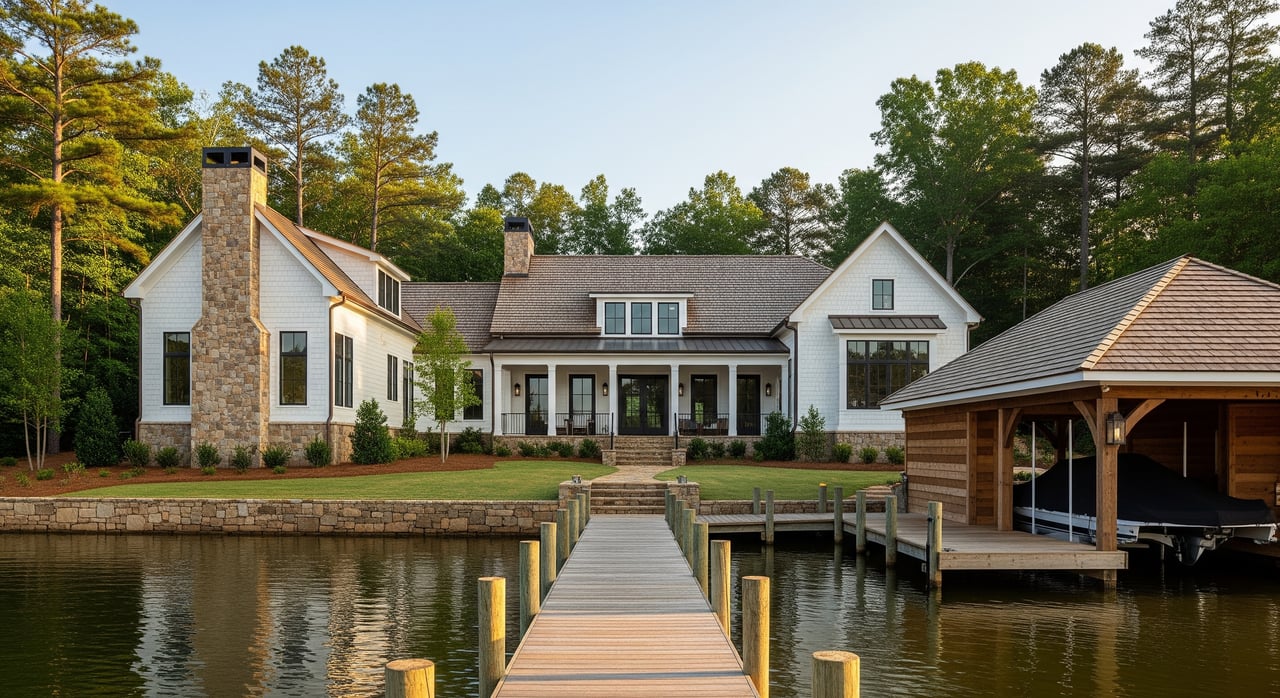
Dreaming of coffee on your dock and easy weekends on the water? Buying waterfront on Lake Lanier around Flowery Branch is exciting, but the shoreline rules and dock permits can surprise first-time buyers. You want year-round access, safe infrastructure, and clear rights from day one.
This guide gives you the essentials: who manages the lake, what to check for docks and permits, how water levels affect access, what HOAs and marinas control, and a practical due diligence checklist. You will finish with a clear plan to buy with confidence. Let’s dive in.
Lake Lanier basics and oversight
Lake Lanier is a managed reservoir serving flood control, water supply, power generation, and recreation. The U.S. Army Corps of Engineers (USACE) oversees lake operations and many shoreline easements and permits.
Local governments, including Hall County and the City of Flowery Branch, handle zoning and building permits. State and environmental agencies set boating, fisheries, and protection rules, and local health departments regulate septic systems.
Property lines and shoreline rights
Waterfront ownership often ends at a defined shoreline marker, and many parcels include USACE easements. Owning the upland lot does not automatically allow you to build or expand into the water.
Do not assume an existing dock or cleared shoreline is legal or transferable. Ask for documentation. Some structures may be permitted, granted a variance, or unpermitted.
Shoreline management and erosion
Erosion can undercut banks, expose roots, and threaten docks. Shallow areas can silt in and grow weeds, especially during lower water periods. Runoff from upland lots can make erosion worse.
Common stabilization options include:
- Structural solutions: riprap, seawalls or retaining walls, bulkheads, timber cribbing.
- Biofriendly options: vegetated buffers, live stakes, coir logs, native plantings, terracing.
- Combination approaches: vegetated buffers upslope with rock at the toe.
Most structural work needs authorization from USACE and possibly state agencies. Local rules often limit vegetation removal and set buffer and setback requirements. If a home uses septic, components must meet shoreline setbacks.
Helpful steps:
- Review recorded permits and easements for any past shoreline work.
- Get a site assessment from a licensed geotechnical or shoreline contractor.
- Coordinate early with Hall County or Flowery Branch permitting and USACE.
Docks, boathouses, and permits
USACE often controls approvals for docks and any structure that extends into the water. Hall County or the City of Flowery Branch may require building and electrical permits, and many HOAs enforce rules for size, design, and placement.
Common dock types include floating docks, pile-supported docks, covered slips, lifts, and swim platforms. Expect limits on overall length and width, distance from neighbors, and slip counts. Covered or enclosed boathouses are more tightly regulated in many areas.
Before you commit:
- Confirm the dock’s legal status and transferability. Some permits are owner-specific, expired, or nontransferable.
- Request copies of USACE permits, county or city permits, and HOA approvals.
- Have a marine contractor inspect the dock for condition and compliance.
- Clarify whether a private slip, shared dock, or marina assignment is included and transferable.
Water depth and seasonal levels
Lake Lanier’s pool elevation changes with operations and weather. Levels vary by season and from year to year. These swings affect how your dock functions, whether your boat can access deep water, and even how much shoreline is exposed.
Low water can strand boats and limit some ramps or slips. High water can change access points and create navigational hazards. Floating docks and adjustable lifts often handle variability better than fixed pilings in areas with larger swings.
What to check:
- Water depth at the dock and nearshore during typical summer levels and during historic lows.
- Your boat’s draft and needed prop or keel clearance.
- Availability of adjustable or floating systems to keep access reliable.
HOAs, marinas, and access
Many lake neighborhoods use HOAs to manage shared docks, ramps, and rules. HOA documents often set slip counts, sizes, architectural standards, maintenance duties, and cost sharing. Rules for short-term rentals, parking, and guest use may apply.
Public and private marinas near Flowery Branch offer fuel, storage, and service. Check waitlists, fees, hours, and seasonal operations. If your property relies on a marina slip, confirm availability and transfer policies before you buy.
Utilities, septic, and environmental checks
Waterfront homes often use individual septic systems. Verify records and the system’s location relative to shoreline setbacks. Some areas have municipal sewer, while others require septic upgrades to meet current standards.
Stormwater controls are important for lake health. Plan improvements that manage runoff and protect the shoreline.
Flood risk and insurance
Some waterfront lots sit within FEMA flood zones. Lenders may require flood insurance depending on the mapped zone. Elevation certificates, base flood elevation, and past flood claims help you understand risk and cost.
Docks and boathouses may be insured differently than the home. Ask your insurer how waterfront structures are treated and whether separate policies are needed for watercraft.
Buyer due diligence checklist
Use this checklist to move from interest to confidence:
Confirm jurisdiction: City of Flowery Branch or unincorporated Hall County, and note the applicable codes.
Order a current survey that shows the shoreline marker, easements, and any encroachments.
Request all permits and approvals for docks, boathouses, seawalls, and shoreline work (USACE, city or county, HOA).
Review HOA CC&Rs, architectural guidelines, budgets, and minutes for dock rights and lake-use rules.
Ask USACE for easement maps and review historical lake elevation data.
Get on-site depth soundings at the dock location and nearshore, ideally during different seasons.
Hire a marine contractor or structural inspector to estimate dock repairs and maintenance.
Run a title search to catch easements, restrictions, or claims that affect riparian use.
Check FEMA flood maps, obtain an elevation certificate, and request past flood or insurance claims.
Verify the septic system location and condition with Hall County Environmental Health and confirm sewer availability if applicable.
Confirm dock transferability, any marina slip assignment, and the status of recent shoreline work or insurance claims.
Red flags to watch
- Missing permits for an existing dock or shoreline work.
- A “grandfathered” dock with no documentation.
- USACE easement language that limits structures or alterations.
- Noticeable shoreline erosion or unstable banks needing major work.
- Community docks with high fees or thin reserves for maintenance.
- Shallow water that will not support your boat at low pool levels.
- Septic too close to the lake or failing systems that require costly upgrades.
- HOA rules that conflict with your intended use or boat size.
Next steps with local guidance
Buying on Lake Lanier around Flowery Branch is about more than a view. It is about reliable access, compliant structures, and predictable ownership costs. With the right information, you can secure a property that delivers the lifestyle you want without unwelcome surprises.
If you are ready to refine your search, review permits, or build a due diligence plan tailored to a specific address, connect with Steven Adams. Schedule a free consultation and get local guidance from a team that lives the lake lifestyle.
FAQs
Can I build a new dock on Lake Lanier in Flowery Branch?
- Possibly. Dock approvals depend on USACE easements and permits, local building permits, and any HOA rules. Always verify permissions before planning.
Is an existing dock automatically transferable to me as the buyer?
- Not always. Some permits are owner-specific or expired. Request permit copies and confirm transferability with the permitting authorities and the HOA.
How much water depth do I need at my dock for my boat?
- Match depth to your boat’s draft and clearance needs. Get recent depth readings and review historical low water levels to plan for worst-case conditions.
How do seasonal water-level changes affect my dock and boat lift?
- Lake Lanier levels rise and fall. Floating docks and adjustable lifts often perform better through fluctuations than fixed pilings in variable areas.
What should I ask an HOA about dock rights before I buy?
- Review CC&Rs for slip counts, assignment rules, design standards, maintenance duties, fees, rental rules, and guest docking policies.
Do waterfront homes near Flowery Branch use septic, and what should I check?
- Many do. Verify septic location and condition, confirm shoreline setbacks, and check with Hall County Environmental Health for records and requirements.
Will I need flood insurance on a Lake Lanier property?
- It depends on FEMA flood zone mapping and your lender’s rules. Review maps, get an elevation certificate, and compare quotes before closing.